
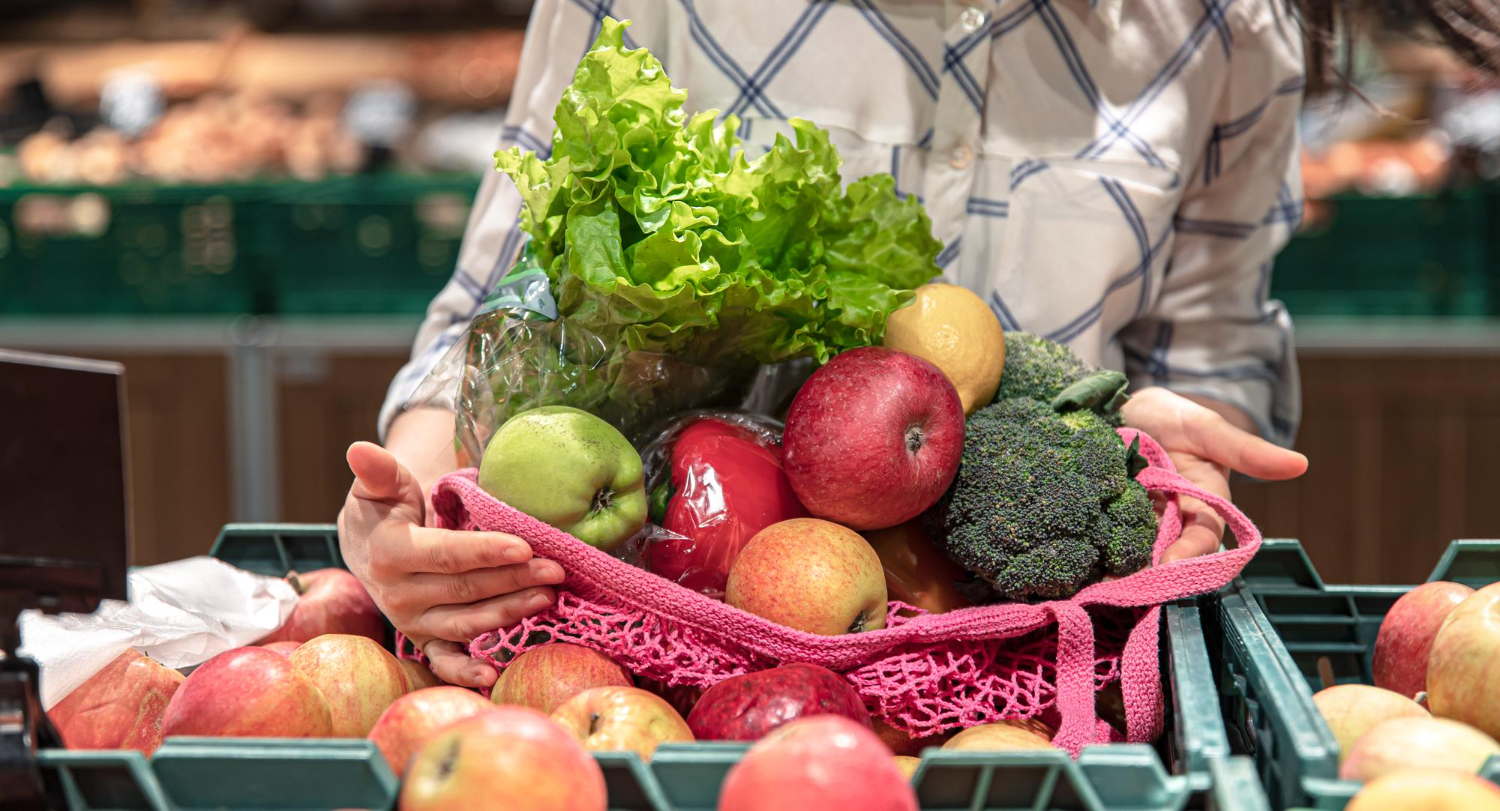
A sale can make a grocery store feel like a place where you’re supposed to stock up.
You walk in for a carton of eggs and notice that cereal is half price. Then there’s a deal on pasta. The coffee you like is discounted too.
Suddenly, your $50 grocery trip is looking more like $80.
The problem isn’t that sales are bad. A good sale can absolutely save money. The problem is buying something simply because it’s cheaper than usual, even when you didn’t need it.
There is a big difference between buying more of something you already use because the price is good and buying something you wouldn’t have purchased at all because the sale made it tempting.
Learning that difference can make your grocery budget much easier to control.
A Sale Doesn’t Automatically Save You Money
This is the first thing to remember.
If you spend $10 on something you weren’t planning to buy, you haven’t saved $10 because it was marked down.
You’ve spent $10.
The discount only matters if the purchase replaces spending you would have made anyway.
For example, suppose your family normally goes through two boxes of cereal every month. You find that cereal for $2 instead of its usual $4.
Buying two boxes at $2 each could be a smart move.
Buying eight boxes because they’re half price may not be.
The first purchase is replacing future spending.
The second may simply be increasing your current grocery bill.
Start With Your Grocery List
One of the easiest ways to avoid impulse purchases is to make your grocery list before you walk into the store.
Write down what you actually need.
Then, when you see a sale, you have something to compare it against.
If chicken is on sale and you already planned to buy chicken, great.
If a giant display of cookies is on sale and cookies weren’t anywhere on your list, you have a reason to pause.
You don’t have to completely ignore unplanned purchases.
Just don’t let every sale rewrite your grocery list.
Ask One Question Before You Buy
When something catches your attention, ask:
“Would I buy this at the regular price?”
If the answer is yes, the sale may be worth considering.
If the answer is no, put it back unless there’s another good reason to buy it.
This question cuts through a lot of the excitement surrounding sales.
You stop thinking about how much you’re “saving” and start thinking about whether you’re actually buying something useful.
Separate “Need” From “Want”
There’s nothing wrong with buying things you want.
The problem happens when wants quietly take over the grocery budget.
Maybe you normally buy basic cereal but see an expensive specialty version on sale.
You might want to try it.
That’s fine.
Just recognize it as a want rather than convincing yourself that you’re saving money.
When you know the difference, you can decide whether there’s room in your budget for it.
Don’t Stock Up Without Knowing How Fast You Use It
Before buying multiple packages, think about your household’s actual consumption.
If you use one package of pasta every week, buying three or four when it’s discounted may be reasonable.
If you use one package every two months, buying four isn’t necessarily helpful.
A sale doesn’t change how quickly your household eats.
It only changes the price.
Your stock-up amount should be based on your normal usage.
Consider How Long It Will Last
Shelf-stable foods are easier to buy ahead than fresh foods.
A few extra cans of beans can sit in the pantry for a while.
A pile of fresh produce may not have the same flexibility.
Before buying multiples of something, think about its shelf life.
Ask yourself:
- Will we use this before it expires?
- Do we have enough storage space?
- Have we bought too much of this before?
- Is this something the household actually enjoys eating?
If the answers aren’t convincing, buy less.
Don’t Buy Something Just Because It’s “Free”
Buy-one-get-one promotions can be especially tempting.
The word “free” makes it feel like refusing the deal means you’re wasting money.
But if you only need one item, buying two to get one free still means spending more than you originally planned.
For example, if you came to the store for a $4 item and the promotion lets you get a second one free, that’s useful if you would eventually use both.
If the second item sits in the pantry until it expires, the promotion didn’t really help.
Watch the Multi-Buy Promotions
The same logic applies to deals such as:
- 2 for $5
- 3 for $10
- Buy 5, save $5
- Buy more, save more
These promotions aren’t automatically bad.
But they can make you buy quantities that don’t match your household’s needs.
If you normally buy one package, don’t buy five simply because the per-item price looks better.
The lowest price per item isn’t useful if you don’t need all the items.
Compare the Sale With Your Normal Alternatives
Sometimes the easiest way to resist a sale is to look at what you would normally buy.
Maybe your usual store-brand pasta costs $1.50.
A name-brand pasta is on sale for $2.
It may be discounted from its regular price of $3, but you’re still paying more than you normally do.
A sale is only relevant if it improves the choice you’re actually considering.
Don’t Confuse a Bigger Package With a Better Deal
Large packages can make you feel like you’re getting more for your money.
Sometimes you are.
Sometimes you’re buying more food than you can use.
Look at the unit price, but also consider how much your household needs.
A 10-pound bag of rice may have a lower price per pound than a 2-pound bag.
That’s useful if you regularly use 10 pounds of rice.
If you don’t, the smaller package may be the better purchase for your budget and storage space.
Set a Stock-Up Limit
One simple way to control sale shopping is to decide your maximum quantity before you shop.
For example:
“If coffee is on sale, I’ll buy no more than two packages.”
Or:
“I’ll buy enough chicken for three meals and freeze what we won’t use this week.”
Having a limit prevents the sale from making the decision for you.
You can still take advantage of a good price without filling your cart.
Give Yourself a Pause
You don’t have to make an immediate decision.
If you see something tempting, continue shopping.
Finish your list.
Then decide whether you still want it.
This works surprisingly well because some purchases feel essential when you’re standing in front of a giant sale display but seem much less important ten minutes later.
If you’re still convinced it’s useful, you can always go back.
Look at Your Running Grocery Total
Don’t wait until checkout to discover that you’ve spent much more than planned.
If your store offers a running total through a shopping app, use it.
If not, keep a rough estimate as you shop.
Knowing you’re at $45 when your target is $60 makes it easier to decide whether that $7 sale item belongs in the cart.
Without a running total, every individual deal can seem inexpensive.
A few “small” purchases can add up quickly.
Don’t Let the Store Decide What Dinner Is
Grocery stores are designed to put promotions where you’ll notice them.
That doesn’t mean you have to build your meals around whatever happens to be discounted.
Start with what your household needs.
Then use sales to make those purchases cheaper.
If ground beef is on sale and you already planned tacos, that’s a great opportunity.
If ground beef is on sale but you already have plenty of food at home, you don’t necessarily need to buy it.
The sale should support your meal plan, not control it.
Keep a Small List of Things Worth Stocking Up On
Some foods are particularly easy to buy ahead.
These might include:
- Rice
- Pasta
- Canned beans
- Canned tomatoes
- Coffee
- Oatmeal
- Frozen vegetables
- Certain meats
- Bread that freezes well
If your household uses these foods regularly, you can have a general idea of how much you want to keep on hand.
Then when a genuinely good price appears, you don’t have to make the decision from scratch.
Remember That Another Sale Will Come Along
This is one of the hardest parts of resisting a sale.
It can feel like:
“If I don’t buy this today, I’ll never get this price again.”
Usually, that’s not how grocery shopping works.
Stores run promotions constantly.
The exact product or price may change, but another opportunity will eventually come along.
You don’t need to take advantage of every sale.
Sometimes the best decision is simply to let the deal go.
Don’t Spend This Week’s Budget on Next Month’s Food
Stocking up can save money, but it still uses cash today.
Suppose you have $100 available for this week’s groceries.
You find $30 worth of excellent deals.
If you spend that $30 on extra food, you now have $70 left for everything else.
That may be perfectly fine if you’ve planned for it.
But if you end up short on the food you actually needed this week, the sale worked against your budget.
A good deal should fit into the bigger picture.
Be Especially Careful When You’re Hungry
Shopping while hungry makes everything look more appealing.
That includes sale items.
If possible, eat something before you shop.
It’s a small habit, but it can make it easier to stick to your list and think clearly about whether you actually need something.
Don’t Feel Guilty About Leaving a Deal Behind
You don’t have to maximize every possible saving opportunity.
Sometimes the cheapest thing you can do is not buy anything extra.
If you don’t need it, don’t have room for it, or don’t know when you’ll use it, leave it on the shelf.
There’s no prize for coming home with the most discounted groceries.
Your goal is to feed your household within your budget.
Use a Simple Three-Step Test
When you see something on sale, run through these three questions:
1. Would I normally buy this?
If not, be cautious.
2. Will we use it before it goes bad?
If not, don’t stock up.
3. Does buying extra fit my budget?
If not, buy only what you need—or skip it.
If all three answers are yes, you’ve probably found a sale worth considering.
The Best Sale Is One That Replaces Future Spending
Imagine you normally buy four cans of beans every month.
They’re usually $1.25 each.
You find them for 75 cents and buy eight.
You’ve spent $6 instead of $10 on the amount you’ll eventually use.
That’s a meaningful saving.
Now imagine you normally buy four cans but buy 20 because they’re cheap.
You’ve tied up money in food you won’t need for months.
The difference isn’t the sale price.
It’s whether the extra purchase actually fits your consumption.
Make Sales Work for Your Budget
You don’t need to avoid sales.
You just need to stop treating every sale like an opportunity you can’t miss.
Know what your household eats.
Know roughly what those foods normally cost.
Have a grocery budget before you shop.
When something is discounted, decide whether the lower price helps you buy something you already need.
If it does, take advantage of it.
If it doesn’t, keep walking.
The goal isn’t to spend as little as possible on every individual item. It’s to spend less on the groceries your household actually needs. A sale is helpful when it lowers the cost of something you’ll use. It becomes a problem when the discount convinces you to buy more than you need. Once you start thinking about sales that way, it’s much easier to walk past the tempting deals without feeling like you’re missing out.