
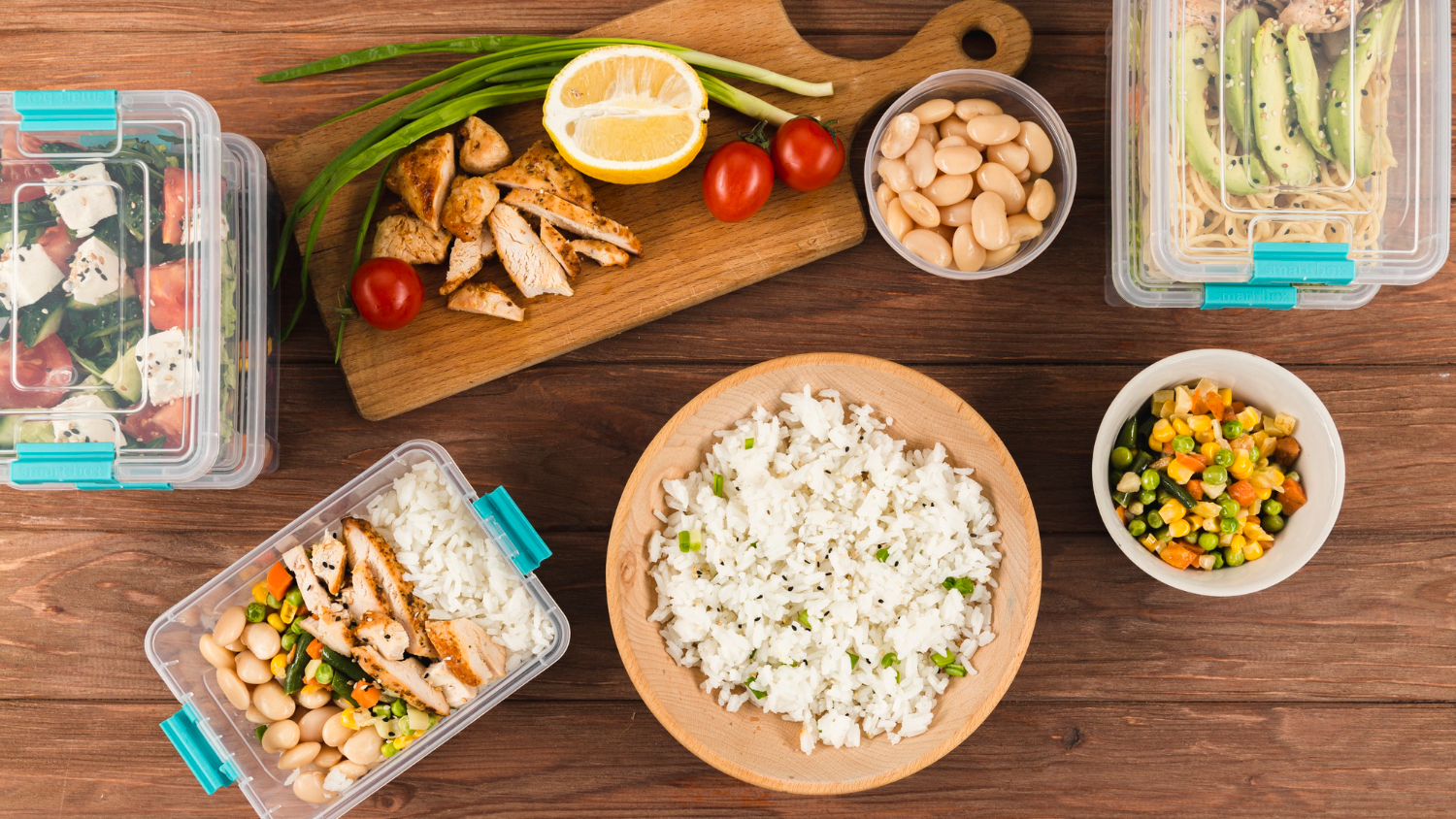
Leftovers get a bad reputation.
For some people, the word brings up an image of eating the exact same dinner three nights in a row. It’s no wonder leftovers sometimes get pushed to the back of the refrigerator until they eventually get thrown away.
But leftovers don’t have to feel like leftovers.
With a little planning, yesterday’s dinner can become the starting point for an entirely different meal. That can help you waste less food, make fewer trips to the grocery store, and get more meals from the ingredients you already paid for.
The trick is to stop thinking of leftovers as a finished meal.
Think of them as ingredients waiting for a second use.
Start With What You Already Have
Before planning your next grocery trip, check the refrigerator.
Look at the containers that are already there.
Maybe you have:
- Leftover roasted chicken
- Cooked rice
- Roasted vegetables
- Taco meat
- Pasta
- Baked potatoes
- Beans
- Extra meat from dinner
- Half a container of sauce
- Vegetables that need to be used
Instead of immediately asking what you need to buy, ask what you can make from what’s already there.
You may already have the foundation for several meals.
Cook With the Next Meal in Mind
The easiest leftovers to use are the ones you planned for.
If you’re cooking chicken for dinner, make enough for another meal.
If you’re making rice, cook extra.
If you’re roasting vegetables, make a larger batch than you need for one night.
You’re already doing the work.
Making a few additional servings doesn’t necessarily require much extra effort.
Then you have something ready to turn into lunch or another dinner later in the week.
Change the Format
The simplest leftover makeover is to serve the same ingredients in a different format.
Take leftover chicken.
You could serve it with rice and vegetables one night.
The next day, turn it into:
- Tacos
- Wraps
- Sandwiches
- A salad
- Soup
- Quesadillas
- Pasta
The chicken hasn’t changed much.
The meal around it has.
That small change can make leftovers feel much less repetitive.
Leftover Meat Can Become a Completely Different Meal
Meat is particularly easy to repurpose.
Roast Chicken
Leftover roast chicken can become chicken soup, chicken salad, tacos, wraps, pasta, or rice bowls.
Ground Beef
Leftover ground beef can become tacos, nachos, chili, pasta sauce, quesadillas, or a baked potato topping.
Steak
Leftover steak can be sliced thin and used in sandwiches, tacos, salads, fried rice, or eggs.
Pork
Leftover pork can work in sandwiches, tacos, rice bowls, fried rice, or soups.
You don’t need a new protein every night.
You need a few different ways to use the protein you already cooked.
Turn Leftover Rice Into Something New
Rice is one of the easiest leftovers to transform.
Plain rice can become:
- Fried rice
- Burrito bowls
- Rice and beans
- Stir-fry
- Rice soup
- Stuffed peppers
- A side for another meal
Fried rice is especially useful when you have several small amounts of food left in the refrigerator.
A little chicken, a few vegetables, an egg, and leftover rice can become dinner without requiring a separate grocery trip.
Give Leftover Vegetables Another Job
Vegetables often get ignored when they’re left over.
Don’t let them sit in the refrigerator until they need to be thrown away.
Roasted vegetables can be added to:
- Omelets
- Pasta
- Rice bowls
- Quesadillas
- Soup
- Wraps
- Grain bowls
You don’t need a huge amount.
A handful of leftover vegetables can be enough to make another meal more filling.
Turn Baked Potatoes Into a New Meal
If you have extra baked potatoes, don’t assume they’re only good as leftovers.
You can cut them up and turn them into breakfast potatoes.
You can also add cheese, leftover meat, beans, or vegetables and make loaded potatoes.
They can become part of a hash or be used in soup.
A food that looked like a finished side dish can suddenly become the base of another meal.
Make Soup When You Have a Lot of Odds and Ends
Soup is one of the best ways to use up small amounts of food.
You don’t need every ingredient to match perfectly.
Leftover chicken, vegetables, rice, beans, potatoes, and broth can often come together into a filling meal.
It’s especially useful near the end of the week when you have several ingredients that aren’t enough to make individual meals.
Instead of throwing away five small leftovers, combine them into one useful dinner.
Use Sauces to Change the Flavor
Sometimes leftovers taste boring simply because they’re being served with the same flavors.
A new sauce can change that.
Leftover chicken can take on a completely different character with barbecue sauce, salsa, pesto, or another sauce you already have.
Rice and vegetables can become a stir-fry with a flavorful sauce.
Pasta can be refreshed with a different sauce and some added vegetables or protein.
You don’t need to completely rebuild the meal.
Sometimes a different flavor is enough.
Add a New Ingredient
A leftover doesn’t always need to become a completely new dish on its own.
Sometimes adding one or two fresh ingredients is enough.
Leftover chicken plus tortillas and salsa becomes tacos.
Leftover rice plus eggs and vegetables becomes fried rice.
Leftover vegetables plus eggs and cheese becomes an omelet.
The new ingredients don’t have to be expensive.
You’re using a small grocery purchase to turn food you already have into another meal.
Use Leftovers for Lunch
Dinner leftovers don’t always need to become another dinner.
Lunch is often the easiest place to use them.
Pack leftovers for work.
Put them into a container for school.
Turn them into a sandwich or wrap.
Even a small amount of leftover food can make a useful lunch when combined with something simple.
This can also save money that would otherwise go toward buying lunch during the week.
Don’t Forget Breakfast
Some leftovers can even become breakfast.
Roasted potatoes can become breakfast hash.
Leftover vegetables can go into scrambled eggs or an omelet.
Rice can become part of a breakfast bowl.
Cooked meat can be added to eggs, breakfast sandwiches, or burritos.
Breakfast doesn’t have to come exclusively from foods labeled “breakfast.”
If it tastes good and fills you up, it counts.
Freeze Leftovers Before You’re Tired of Them
Sometimes you know you’re not going to eat something again this week.
That’s when the freezer can help.
Instead of keeping the same leftovers in the refrigerator until nobody wants them anymore, freeze an appropriate portion for another week.
This is particularly useful for soups, chili, cooked meat, pasta sauces, and other foods that freeze well.
Label what you freeze so you don’t end up with a collection of mystery containers.
Don’t Keep Making New Food While Old Food Sits There
This is one of the biggest problems with leftovers.
You cook something new because you want something different.
Then the leftovers stay in the refrigerator.
A few days later, you cook something else.
Eventually, you have several containers of food, none of which gets eaten.
Try giving leftovers a priority.
Before cooking something completely new, look at what needs to be used.
You don’t have to eat leftovers every night.
But making them part of your regular meal rotation can significantly reduce waste.
Plan Your Leftovers Around Your Schedule
Not every leftover needs to be eaten immediately.
Think about your week.
If you know Tuesday is going to be busy, save an easy leftover meal for Tuesday.
If you’re home for lunch on Wednesday, plan to use leftovers then.
If the weekend is more relaxed, you can cook something fresh.
Your leftovers become much more useful when they match your schedule.
Don’t Make More Than Your Household Can Handle
There’s a difference between cooking enough for leftovers and cooking way too much food.
If your family won’t eat a giant pot of the same meal, don’t make one just because it’s supposedly cheaper.
The cheapest food is the food you actually eat.
If half of a huge batch ends up in the trash, you didn’t save money.
Start with a reasonable amount and increase it if you know the leftovers will be used.
Keep Some Basic “Makeover” Ingredients Around
A few inexpensive staples can make leftovers much easier to use.
Consider keeping things like:
- Tortillas
- Eggs
- Rice
- Pasta
- Bread
- Shredded cheese
- Beans
- Frozen vegetables
- Salsa
- Broth
These ingredients can turn small amounts of leftovers into complete meals.
You don’t need to stock every possible ingredient.
Just keep a few flexible staples that work with the foods you normally cook.
Think About Texture, Too
A leftover meal doesn’t always need new flavors.
Sometimes it needs a different texture.
Crisping something in a pan can make it feel completely different from the original meal.
Leftover potatoes can become crispy hash.
Cooked rice can become fried rice.
Tortillas can be toasted.
Leftover vegetables can be roasted again or added to a skillet.
Changing the texture can make leftovers much more appealing.
Use Small Amounts Together
You don’t need a full serving of every leftover to make a new meal.
Maybe you have half a cup of rice, a small amount of chicken, and a handful of vegetables.
Individually, none of those is enough for dinner.
Together, they might make a perfectly good bowl or stir-fry.
This is where “clean out the fridge” meals become useful.
Instead of waiting until you have a complete leftover meal, combine small amounts of food into something new.
Don’t Be Afraid of Simple Meals
A leftover makeover doesn’t need to be complicated.
Sometimes the best solution is simply:
Leftover protein + leftover vegetable + rice + sauce.
That’s dinner.
You don’t need a recipe with fifteen steps.
The purpose of using leftovers is to make food easier and more economical.
If you spend an hour transforming leftovers into something elaborate, you’ve defeated part of the convenience.
Keep Track of What Your Household Actually Likes
Not every leftover makeover will be a hit.
That’s okay.
Pay attention to the ones people actually enjoy.
Maybe everyone likes leftover chicken turned into tacos.
Maybe nobody wants leftover pasta reheated.
Maybe rice bowls disappear immediately.
Use that information when planning future meals.
Over time, you’ll develop a list of reliable ways to repurpose the foods your household buys regularly.
One Dinner Can Become Several Meals
Imagine you cook a large roast chicken on Sunday.
Sunday night could be chicken with potatoes and vegetables.
Monday’s lunch could be chicken sandwiches.
Tuesday’s dinner could be chicken tacos.
Wednesday’s lunch could be a chicken salad.
The remaining bones and scraps might be useful for making stock, depending on what you have and how you normally cook.
You didn’t need four separate grocery trips.
You bought one main ingredient and planned several uses for it.
That’s the basic idea behind leftover makeovers.
The Savings Add Up
It can be hard to appreciate the savings from leftovers one meal at a time.
Maybe you’re only using a small amount of food that would otherwise have gone to waste.
But those small amounts add up.
Using leftovers means:
- Fewer groceries thrown away
- Fewer last-minute grocery trips
- Fewer ingredients purchased for individual meals
- More meals from the same package of food
- Less temptation to order takeout
You don’t have to completely change the way you shop.
Getting better at using what you already bought can be enough.
The Goal Isn’t to Eat the Same Meal Again
That’s probably the biggest misconception about leftovers.
Leftovers don’t have to mean reheating Monday’s dinner exactly as it was served.
Think of them as ingredients.
Roast chicken becomes tacos.
Rice becomes fried rice.
Vegetables become an omelet.
Beef becomes chili.
Potatoes become breakfast hash.
Once you start looking at food this way, your refrigerator becomes a lot more useful.
Make Leftovers Part of the Plan
The best time to think about leftovers is before you cook.
When planning dinner, ask:
Can I make enough for another meal?
Then ask:
What could I turn the extra into?
Those two questions can change the way you shop and cook.
You’re no longer buying ingredients for one dinner.
You’re buying food that can potentially cover several meals.
And that’s one of the simplest ways to make a grocery budget stretch further.
The goal isn’t to eat leftovers because they’re there. It’s to plan meals in a way that gives the food you buy more than one chance to feed your household.