
One of the easiest ways to make a grocery budget stretch further is to stop thinking about ingredients as belonging to just one meal.
A package of chicken doesn’t have to become chicken and rice every night.
A bag of potatoes doesn’t have to be served as a side dish.
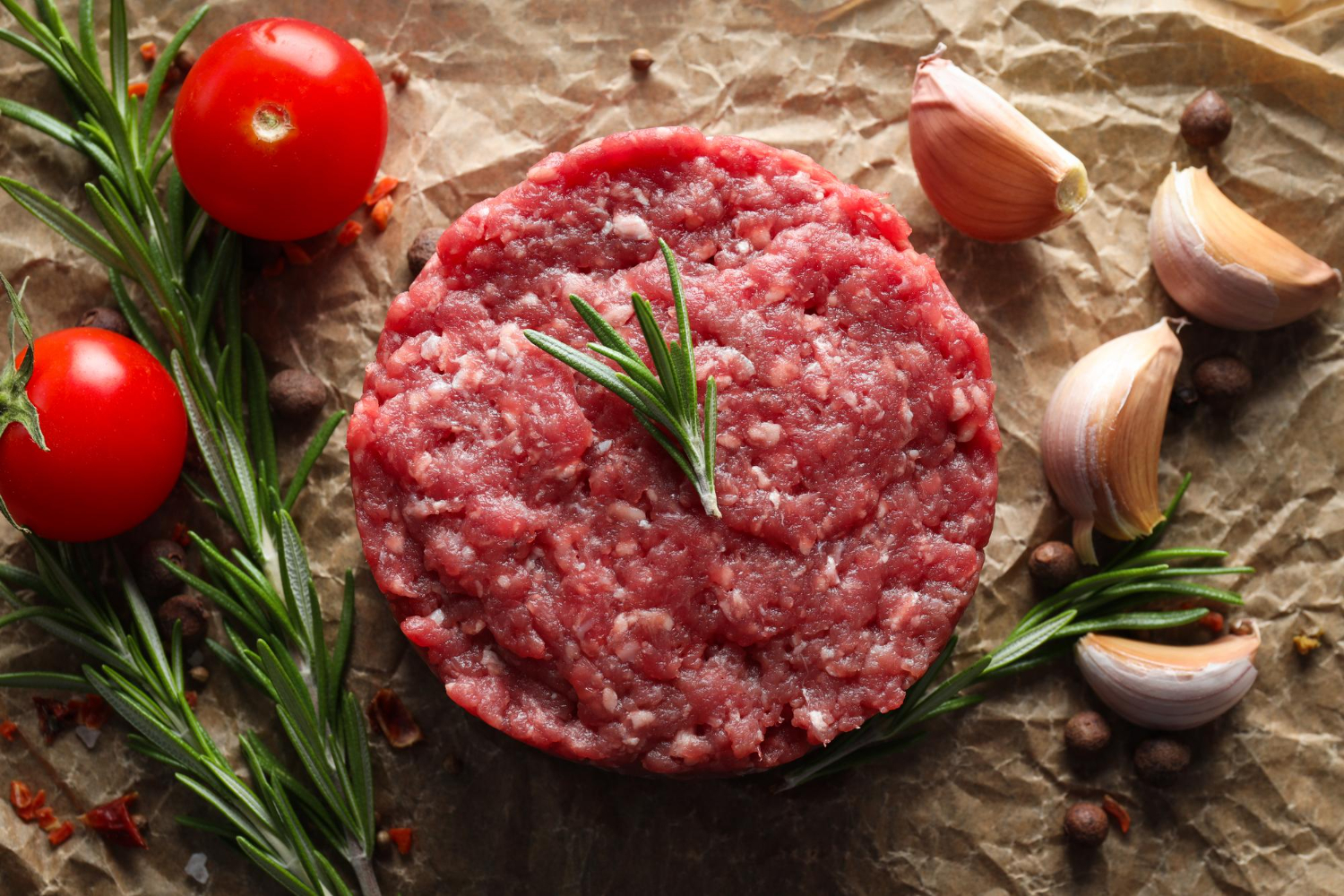
A container of cooked ground beef can become tacos one night, pasta another night, and something completely different later in the week.
The trick is to buy ingredients with multiple uses in mind.
When you do that, one grocery item can help cover several meals instead of requiring you to buy a completely different set of ingredients for every dinner.
Start With Versatile Ingredients
Some grocery items are naturally easier to use in different meals than others.
Good options include:
- Chicken
- Ground beef
- Eggs
- Potatoes
- Rice
- Pasta
- Beans
- Tortillas
- Bread
- Cheese
- Frozen vegetables
- Canned tomatoes
These foods don’t lock you into one particular recipe.
You can change the seasonings, sauces, sides, and preparation method to make them feel completely different.
Think in Terms of Ingredients, Not Recipes
A common way to plan meals is to choose recipes first.
You might decide you want chicken enchiladas, then chicken soup, then chicken pasta.
Now you have three recipes and a long grocery list.
Instead, start with the chicken.
Ask:
“What are five different ways I could use this?”
That could lead you to tacos, sandwiches, stir-fry, soup, and pasta.
Now you’re shopping for one main ingredient that works across several meals.
This approach can make your grocery list shorter and reduce the number of ingredients that end up sitting unused.
Chicken Is One of the Easiest Examples
Chicken can go in almost any direction depending on how you season and serve it.
You could cook a large batch and use it for:
Meal 1: Chicken with rice and vegetables
Meal 2: Chicken tacos with cheese and salsa
Meal 3: Chicken sandwiches or wraps
Meal 4: Chicken soup
Meal 5: Chicken pasta
The basic protein stays the same, but the meals don’t have to taste identical.
That’s what makes versatile ingredients so useful for grocery budgeting.
Ground Beef Can Do the Same Thing
Ground beef is another ingredient that can stretch across several meals.
You could use it for:
- Tacos
- Spaghetti sauce
- Burgers
- Sloppy joes
- Chili
- Rice bowls
- Quesadillas
You don’t necessarily need to cook all of it with the same seasoning.
If you know you’re going to use some for tacos and some for pasta sauce, divide it accordingly.
This lets one package of meat cover multiple meals without making your family feel like they’re eating leftovers all week.
Potatoes Are More Versatile Than They Look
Potatoes are inexpensive, filling, and surprisingly flexible.
A large bag can become:
- Baked potatoes
- Mashed potatoes
- Roasted potatoes
- Breakfast potatoes
- Potato soup
- Potato tacos
- A hash with eggs and vegetables
You can also cook extra potatoes and use them later.
Roasted potatoes from dinner can become breakfast hash the next morning.
Mashed potatoes can become part of another meal instead of being thrown away.
Rice Can Be a Meal Builder
Rice is another inexpensive staple that can serve as the base for several meals.
Use it for:
- Burrito bowls
- Stir-fry
- Fried rice
- Chicken and rice
- Rice and beans
- Curry
- Stuffed peppers
- Side dishes
A large batch of cooked rice can save time during the week.
You can change the protein, vegetables, and sauce to create different meals without cooking an entirely new grain every night.
Eggs Aren’t Just for Breakfast
Eggs are one of the most flexible foods you can keep around.
You can use them for:
- Scrambled eggs
- Omelets
- Breakfast sandwiches
- Egg tacos
- Fried rice
- Pasta dishes
- Egg salad
- Frittatas
- Breakfast burritos
They can also help stretch other ingredients.
A small amount of leftover vegetables, meat, or cheese can become part of an omelet or scramble instead of getting thrown away.
Beans Can Stretch More Expensive Ingredients
Beans are useful not only as a meal themselves but also as a way to make other ingredients go further.
For example, you can add beans to:
- Tacos
- Chili
- Rice bowls
- Soups
- Burritos
- Quesadillas
If you have a pound of ground beef, adding beans to tacos or chili can create more servings without requiring another pound of meat.
That can make a noticeable difference when you’re trying to keep grocery costs under control.
Don’t Forget Tortillas and Bread
Tortillas can be used for much more than tacos.
You can turn them into:
- Quesadillas
- Breakfast wraps
- Chicken wraps
- Burritos
- Pizzas
- Crispy tortilla strips
Bread works the same way.
It can become sandwiches, toast, French toast, grilled cheese, garlic bread, breadcrumbs, or croutons.
These basic staples can quietly cover a lot of meals.
Use Sauces to Change the Flavor
One of the easiest ways to make the same ingredient feel different is to change the sauce.
Take cooked chicken, for example.
With barbecue sauce, it becomes barbecue chicken.
With salsa and taco seasoning, it can become taco filling.
With a creamy sauce, it can become part of a pasta dish.
With soy sauce, garlic, and vegetables, it can become a stir-fry.
You don’t need completely different ingredients.
Sometimes you just need a different flavor profile.
Seasonings Can Do the Same Thing
The same principle works with spices.
Chicken seasoned with taco seasoning doesn’t taste like chicken seasoned with garlic, herbs, and lemon.
Ground beef with Italian seasoning has a completely different direction from ground beef cooked with chili powder and cumin.
This is particularly helpful when you’re batch cooking.
You can prepare a basic ingredient and then finish it differently throughout the week.
Buy Ingredients That Overlap
When you’re building a grocery list, look for ingredients that appear in multiple meals.
For example, you might buy:
- Chicken
- Rice
- Bell peppers
- Onions
- Tortillas
- Cheese
- Salsa
Those ingredients can cover tacos, rice bowls, quesadillas, wraps, and several other meals.
You don’t need a separate grocery list for every dinner.
The more overlap you create, the more efficiently your groceries can be used.
Be Careful With Ingredients That Have Only One Job
Some recipes require ingredients that don’t have many other uses.
That’s not automatically a reason to avoid the recipe.
But if you’re trying to keep your grocery bill low, be aware of what happens to the leftover ingredient.
If you need a large container of something for one tablespoon in a recipe, ask yourself whether you’ll use the rest.
You might be able to substitute something you already have or choose a different meal that uses the ingredient more often.
Plan the Second and Third Uses Before You Buy
This is where the biggest savings can happen.
Don’t buy a large package of something and then hope you’ll figure out how to use it.
Have a rough plan first.
For example:
Chicken
- Monday: Chicken and rice
- Wednesday: Chicken tacos
- Friday: Chicken pasta
Now you know why you’re buying the larger package.
You’re not simply buying in bulk.
You’re buying one ingredient with several specific uses.
Cook the Ingredient Once When It Makes Sense
If you’re planning to use the same protein several times, cooking it all at once can save time.
Cook the chicken on Monday, portion it out, and use it in different meals throughout the week.
The same works for ground beef, rice, roasted vegetables, or beans.
You don’t have to prepare every finished meal ahead of time.
Sometimes having the main ingredient ready is enough to make dinner much faster.
Keep Some Ingredients Neutral
If you know you’re going to use an ingredient in several different meals, don’t necessarily season the entire batch in a way that only works for one recipe.
For example, plain or lightly seasoned chicken is easier to use in tacos, salads, sandwiches, and pasta than chicken covered in a very specific sauce.
You can add the stronger flavors when you prepare each meal.
This gives you more flexibility later in the week.
Use Leftovers as Ingredients
Leftovers don’t have to be eaten exactly as they were served.
Think of them as building blocks.
Leftover roasted chicken can become soup.
Leftover steak can become tacos.
Leftover rice can become fried rice.
Leftover vegetables can go into eggs, pasta, soup, or a grain bowl.
This is one of the best ways to reduce food waste.
You’re not trying to get your household to eat the same plate of food three days in a row.
You’re finding a new use for food that has already been cooked.
One Ingredient Doesn’t Mean One Meal
The goal isn’t to squeeze every possible meal out of one grocery item.
You don’t need to eat chicken six nights in a row because you bought a large package.
Instead, think about how one ingredient can support several meals while other ingredients change around it.
Chicken plus rice is one meal.
Chicken plus tortillas and salsa is another.
Chicken plus pasta and vegetables is another.
The protein stays the same, but the overall meal changes.
Consider the Cost Per Meal
When comparing groceries, don’t just look at the package price.
Think about how many meals you can realistically get from the item.
A $10 package of chicken that becomes three dinners is more useful than a $7 specialty ingredient that only contributes to one meal.
The same applies to produce, grains, sauces, and pantry staples.
The best value isn’t necessarily the item with the lowest sticker price.
It’s the food you can actually use.
Don’t Buy More Than You Can Eat
There is a limit to how far you should stretch an ingredient.
Buying a huge package because the price per pound is lower doesn’t save money if half of it gets thrown away.
Buy quantities that make sense for your household.
If you do buy extra, freeze what you won’t use soon.
The goal is to get more meals from your groceries—not more food sitting in your refrigerator.
A Simple Way to Build Your Grocery List
Try choosing three or four versatile ingredients before you shop.
For example:
Protein: Chicken
Starch: Rice
Vegetable: Bell peppers
Staple: Tortillas
Then build several meals around them.
You might end up with chicken bowls, tacos, quesadillas, fried rice, and wraps.
Add a few sauces, seasonings, and other ingredients as needed.
Now your grocery list has a purpose.
You’re buying ingredients that work together instead of collecting random items and hoping they’ll become meals.
This Can Make Grocery Shopping Much Simpler
When you start thinking this way, grocery shopping becomes less about finding seven different dinners and more about finding ingredients that can work hard.
One package of chicken can become several meals.
One bag of potatoes can cover breakfast and dinner.
One batch of rice can become bowls, stir-fry, and leftovers.
One container of cooked vegetables can become a side dish, filling, or addition to another meal.
That means fewer specialty ingredients, less waste, and fewer reasons to make an extra trip to the store.
The Goal Is More Meals From the Food You Buy
You don’t need complicated meal-prep systems or dozens of recipes to make your groceries stretch.
Start with foods your household already likes.
Choose ingredients that can be used in different ways.
Plan at least two or three uses before buying larger quantities.
Change flavors with sauces and seasonings.
And treat leftovers as ingredients for future meals instead of food that has to be eaten exactly the same way.
A grocery item doesn’t have to belong to one recipe. The more uses you can find for the food you buy, the more meals you can get from the same grocery budget.